
At just 25, Tanner Martin was diagnosed with Stage 4 colorectal cancer. Amid hospital visits, endless scans and painful treatments, he and his wife, Shay, faced an agonizing question: Could they still chase their dream of starting a family?

Across the U.S., civilians are documenting ICE and Border Patrol activity — and sparking a national debate. Supporters call it community observation; Republicans say it’s dangerous. The controversy has grown even sharper in recent days after the fatal shooting of Renée Good by an ICE agent in Minneapolis, which has ignited protests and political backlash nationwide.
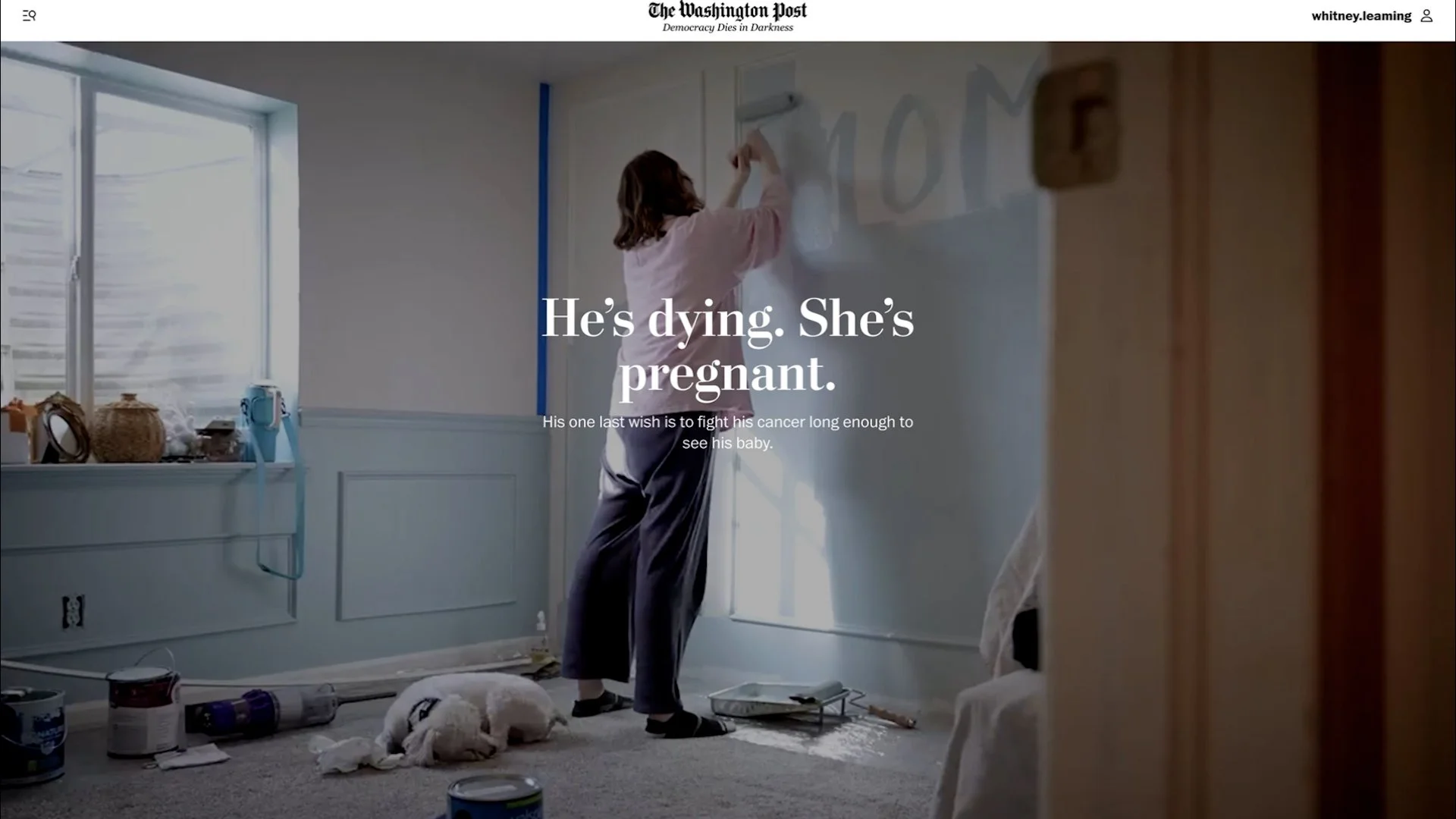
Tanner was diagnosed with Stage 4 colon cancer in November 2020 at age 25, and since then, life had been a series of starts and stops.
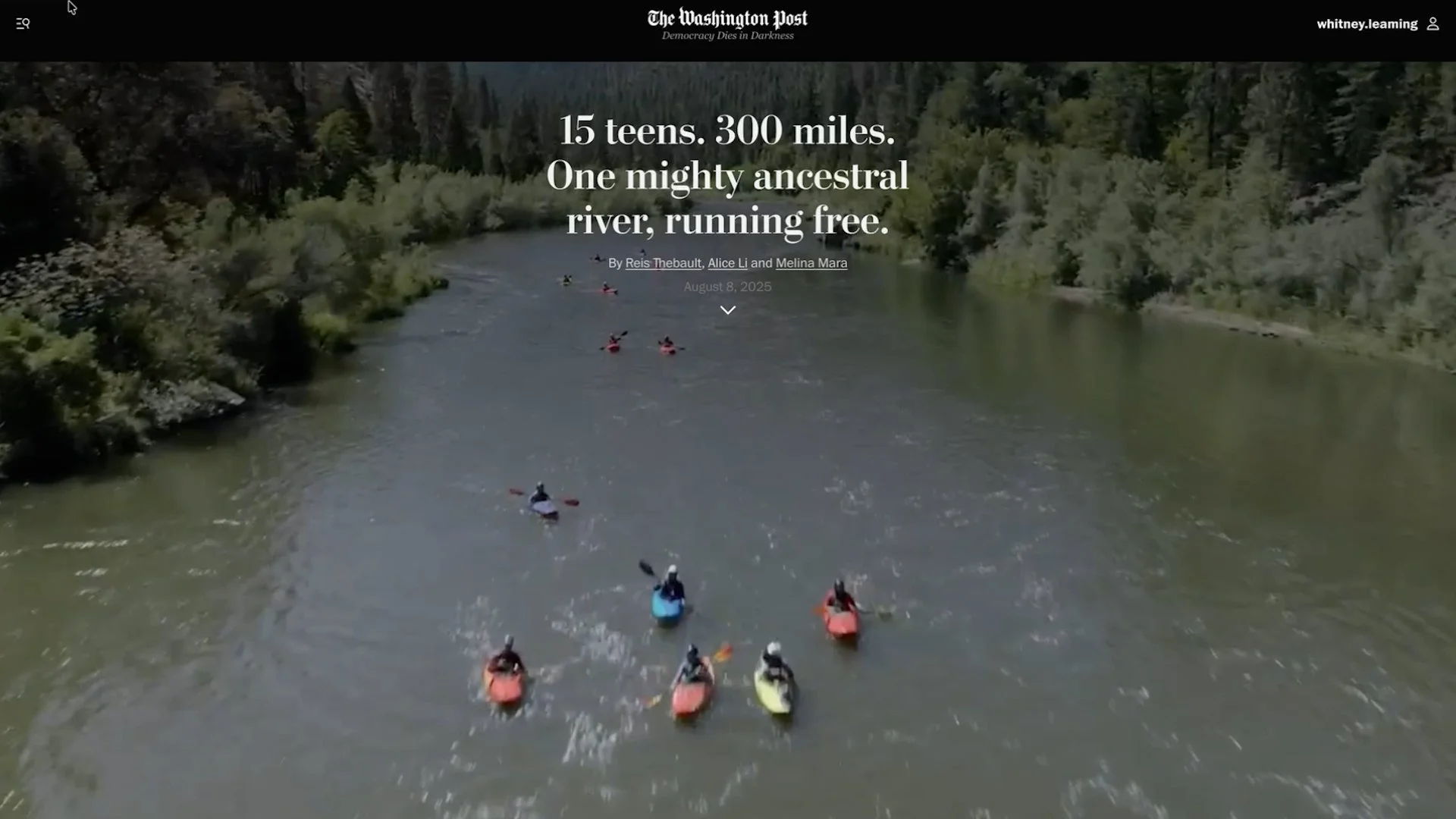
Newly freed from four massive dams, the Klamath River offered a historic — and audacious — opportunity. Fifteen young kayakers, most new to the sport, set out to complete the first full descent of the river’s 300-mile journey from Oregon’s Cascade Mountains to the Pacific coast of California.

An immersive multimedia project exploring the rise of early-onset cancer among millennials and Gen Z. Through intimate interviews, video, and visual storytelling, the piece captures how young adults are reshaping the public narrative around cancer — sharing their experiences online with candor, vulnerability, and community, while confronting the emotional and physical realities of a diagnosis once thought to belong to older generations.
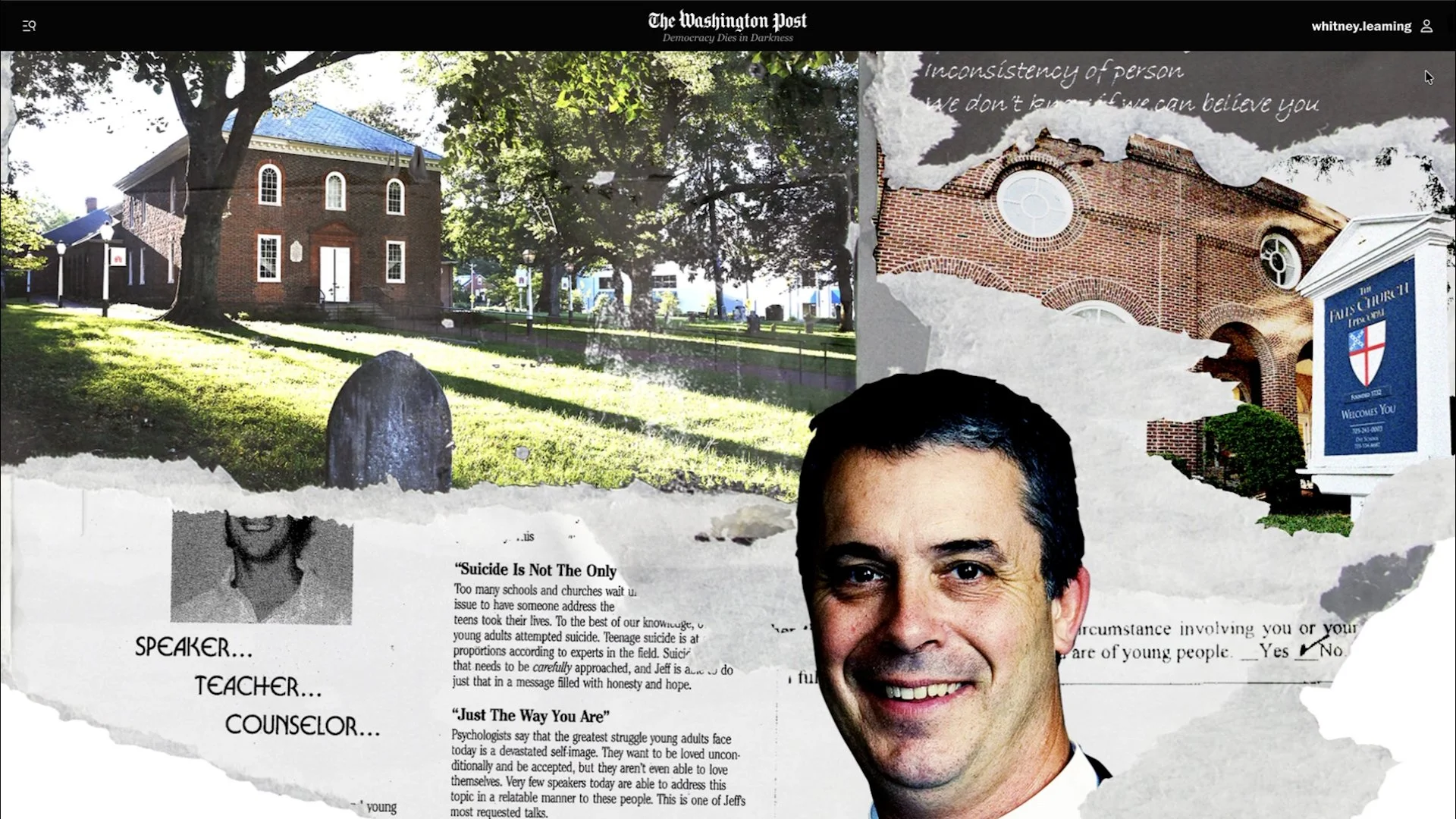
Jeff Taylor went from the pulpit to the Red Cross to a college nonprofit. Now, his alleged victims are speaking out, and the FBI is investigating.